The Benefits of Reinsulating Older Homes: Why It's Worth the Investment
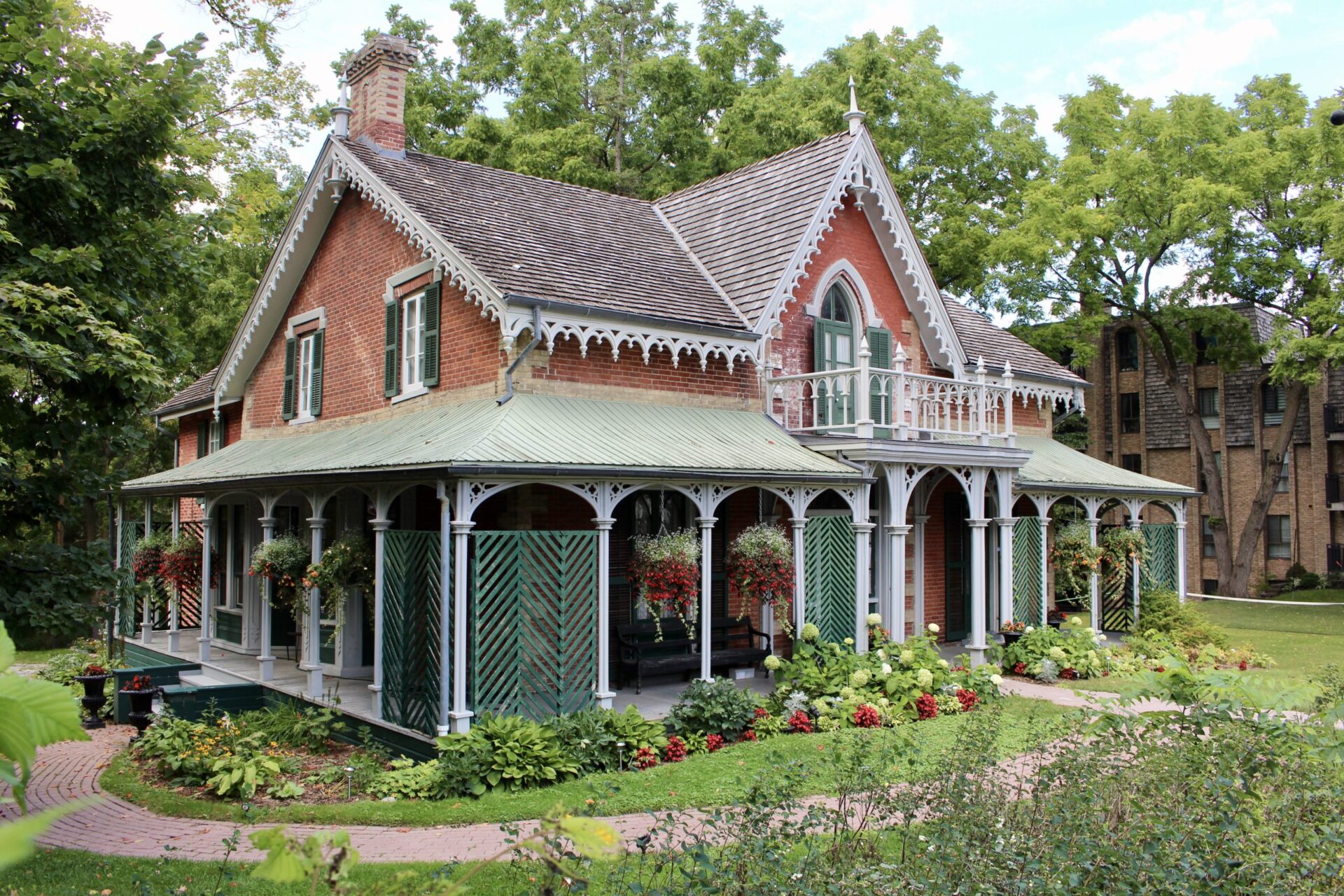
If your home is 30 years or older, there’s a good chance its insulation isn’t performing as well as it should. While older homes often have plenty of character and charm, they may also come with outdated insulation, hidden air leaks, and inefficient thermal protection that can affect your comfort and energy bills.
Reinsulating an older home is one of the most effective ways to improve energy efficiency, create a more comfortable living environment, and protect your property for years to come.
Whether you’re dealing with cold rooms in the winter, excessive heat during the summer, or rising energy costs, upgrading your home’s insulation can make a noticeable difference.
1. Lower Your Monthly Energy Bills
One of the biggest benefits of reinsulating an older home is the potential for lower heating and cooling costs.
Homes built 30 or more years ago were often constructed with insulation standards that differ significantly from today’s building practices. Over time, insulation can also become damaged, compressed, displaced, or less effective due to moisture and other environmental factors.
When your home lacks adequate insulation, your heating and cooling systems have to work harder to maintain a comfortable indoor temperature.
Upgrading your insulation helps reduce unwanted heat transfer, keeping warm air inside during the winter and limiting heat gain during the summer. This means your HVAC system may run less frequently, helping reduce overall energy consumption and monthly utility bills.
2. Enjoy a More Comfortable Home Year-Round
Do certain rooms in your home always seem colder or warmer than others? Are your upstairs bedrooms noticeably hotter during the summer?
Poor insulation is often a contributing factor.
Older homes may have inconsistent insulation coverage, particularly in attics, exterior walls, basements, and crawl spaces. These areas can allow heat to escape in the winter and enter during warmer months.
Reinsulating helps create a more consistent indoor temperature throughout your home. You can enjoy warmer rooms in the winter, cooler spaces in the summer, and fewer uncomfortable temperature fluctuations.
Instead of constantly adjusting your thermostat, you can enjoy a more comfortable living environment in every season.
3. Reduce Drafts and Improve Indoor Air Quality
Insulation and air sealing work together to help prevent unwanted air movement throughout your home.
Older properties can develop gaps and openings around windows, doors, electrical penetrations, attic hatches, and other areas. These openings can allow outdoor air, dust, pollen, and other airborne particles to enter your living space.
When reinsulating, it’s a good opportunity to identify and address these problem areas.
Combining proper insulation with professional air sealing can help reduce drafts, limit outdoor pollutants entering through uncontrolled openings, and create a more consistent indoor environment.
It’s important to note that insulation alone does not eliminate air leakage or replace the need for proper ventilation. A well-designed insulation upgrade should consider both.
4. Improve Your Home’s Energy Efficiency
Energy efficiency is becoming increasingly important for homeowners looking to reduce their environmental footprint and make smarter long-term improvements to their properties.
An older home with inadequate insulation can lose a significant amount of energy through its attic, walls, and foundation.
By upgrading insulation in key areas, you can reduce unnecessary heat loss and decrease the amount of energy required to heat and cool your home.
This can help reduce greenhouse gas emissions associated with household energy use while making your home more efficient overall.
For homeowners who want to modernize an older property without undertaking a major renovation, reinsulating is a practical place to start.
5. Help Prevent Moisture Problems and Condensation
Moisture management is another important consideration when upgrading insulation in an older home.
Poor insulation can contribute to cold interior surfaces, increasing the potential for condensation when warm, moist indoor air comes into contact with them. Over time, moisture problems can contribute to mould growth, wood deterioration, and damage to building materials.
A properly planned insulation upgrade can help improve temperature consistency and reduce the risk of condensation in certain areas.
However, insulation must be installed correctly and with consideration for the home’s existing moisture conditions, vapour control, and ventilation. Simply adding more insulation without addressing existing moisture problems can make matters worse.
A professional assessment can help identify potential issues before installation begins.
6. Extend the Life of Your Heating and Cooling Equipment
When your home isn’t properly insulated, your furnace and air conditioning system may need to work harder and run longer to maintain your desired temperature.
This additional demand can contribute to increased wear and tear on your HVAC equipment.
Improving your home’s insulation helps reduce the heating and cooling load, potentially allowing your equipment to operate more efficiently and reducing unnecessary strain.
While insulation upgrades cannot guarantee a longer equipment lifespan, reducing the workload on your HVAC system can be a valuable long-term benefit.
7. Increase Your Home’s Appeal to Future Buyers
If you’re considering selling your home in the future, energy efficiency can be an attractive feature for prospective buyers.
Today’s homeowners are increasingly interested in properties that offer reasonable operating costs, consistent indoor comfort, and modern energy-saving improvements.
Reinsulating an older home demonstrates that you’ve invested in maintaining and improving the property.
Although insulation upgrades don’t guarantee a specific increase in resale value, they can help make your home more appealing to buyers who want to avoid taking on additional renovation projects.
Which Areas of an Older Home Should Be Reinsulated?
Not every home needs a complete insulation replacement. The best approach depends on the property’s age, construction, existing insulation type, and overall condition.
Some of the most important areas to assess include:
- Attic: One of the most important areas to evaluate because heat can escape through an inadequately insulated attic.
- Exterior walls: Older wall cavities may have little or no insulation, depending on when and how the home was built.
- Basement: Insulating basement walls and rim joists can help improve comfort and reduce heat loss.
- Crawl spaces: Proper insulation and moisture management can help address cold floors and uncomfortable living spaces.
- Garage ceilings: Particularly important when there is heated living space directly above an attached garage.
A professional insulation assessment can help determine where improvements will provide the greatest benefit.
Is It Time to Reinsulate Your Older Home?
If your home is more than 30 years old, it may be worth having your existing insulation evaluated, especially if you’re experiencing:
- High or steadily increasing heating and cooling bills.
- Cold drafts during the winter.
- Uneven temperatures between rooms or floors.
- Excessive heat buildup during the summer.
- Ice dams or recurring roof-edge ice buildup.
- Visible moisture, condensation, or signs of mould.
- Insulation that appears damaged, compressed, or deteriorated.
Even if you haven’t noticed obvious problems, your home’s insulation may no longer meet your household’s needs or current energy-efficiency expectations.
Invest in Your Home’s Comfort and Efficiency
Reinsulating an older home is about more than just adding insulation. It’s an investment in your property’s comfort, energy efficiency, and long-term performance.
From potentially lowering utility bills and reducing drafts to improving temperature consistency and supporting better moisture management, the benefits can make a meaningful difference in your everyday life.
If your home is 30 years or older, now may be the perfect time to find out whether your insulation is doing its job.
Contact Elements Insulation today to schedule an insulation assessment and discover how upgrading your home’s insulation can make a difference.